The Postnatal Mother and Newborn Care
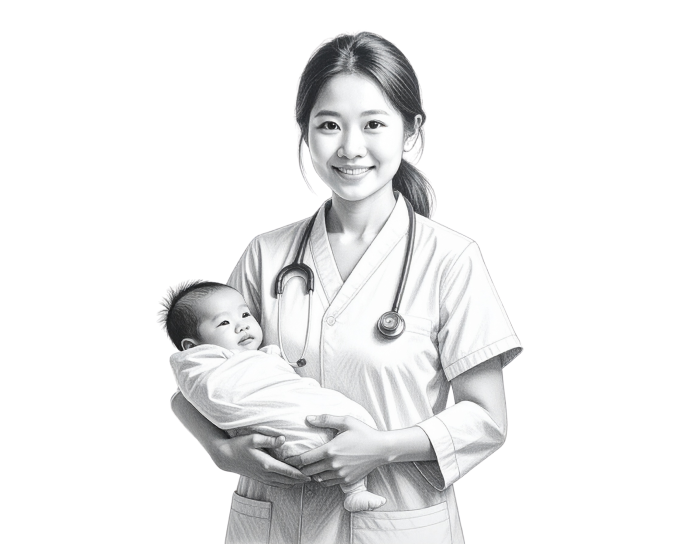
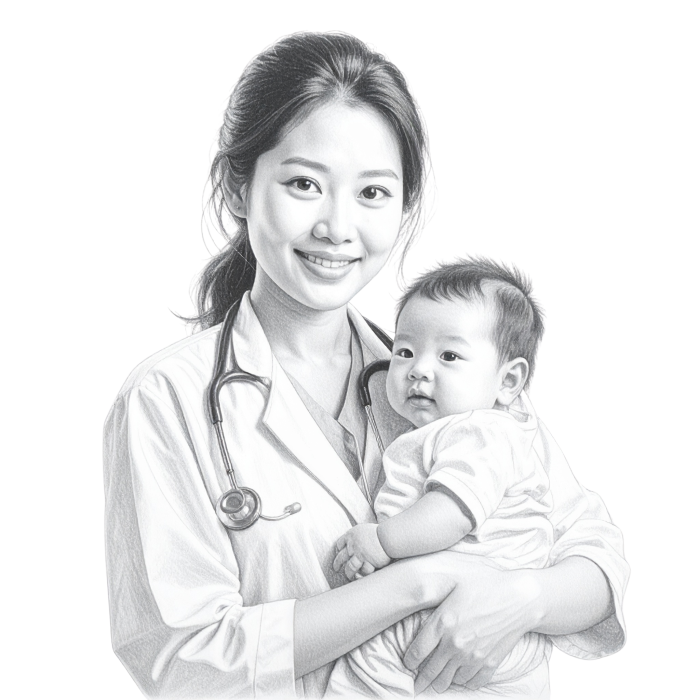
The Postnatal Mother and Newborn Care course offered by the Academy of Medical Sciences, Vietnam (AMS Vietnam) is a comprehensive training program designed to strengthen knowledge, skills, and professional competence in postnatal care for mothers and newborns.
The Postnatal Mother and Newborn Care course offered by the Academy of Medical Sciences, Vietnam (AMS Vietnam) is a comprehensive training program designed to strengthen knowledge, skills, and professional competence in postnatal care for mothers and newborns. The course addresses the critical period immediately after childbirth, when appropriate care is essential to ensure maternal recovery, newborn survival, healthy development, and long-term well-being.
Grounded in evidence-based medicine and aligned with national and international maternal–child health standards, this course equips healthcare professionals with practical, scientific, and ethical competencies to deliver safe, effective, and culturally appropriate postnatal care.
Course Rationale and Importance
The postnatal period is one of the most vulnerable stages in the maternal and neonatal care continuum. A significant proportion of maternal and neonatal complications, including infection, hemorrhage, feeding difficulties, and developmental issues, arise during this time. High-quality postnatal care plays a decisive role in reducing morbidity and mortality while promoting physical, psychological, and emotional health for both mother and child.
The Academy of Medical Sciences, Vietnam recognizes the need for structured, standardized, and scientifically grounded training in postnatal care. This course responds to that need by integrating clinical best practices, public health principles, and family-centered care models.
Course Objectives
The Postnatal Mother and Newborn Care course aims to enable participants to:
- Understand physiological and psychological changes in mothers during the postnatal period
- Provide safe, evidence-based care for newborns from birth through early infancy
- Identify early warning signs of maternal and neonatal complications
- Support breastfeeding, nutrition, and early bonding
- Apply infection prevention and safety protocols in postnatal settings
- Deliver postnatal care with ethical responsibility and cultural sensitivity
Upon completion, participants are expected to demonstrate improved clinical judgment, practical skills, and confidence in managing postnatal care scenarios.
Target Participants
This course is designed for a broad range of professionals involved in maternal and newborn care, including:
- Medical doctors and obstetricians
- Pediatricians and neonatologists
- Midwives and nurses
- Community health workers
- Public health professionals
- Healthcare educators and trainers
The course is suitable for both early-career practitioners seeking foundational competence and experienced professionals aiming to update their knowledge according to current evidence and standards.
Course Content Overview
1. Maternal Postnatal Care
This module focuses on the physical and emotional recovery of the mother following childbirth. Topics include:
- Normal physiological changes after delivery
- Postnatal monitoring and assessment
- Pain management and wound care
- Postpartum hemorrhage and infection prevention
- Mental health, including postpartum stress and emotional well-being
- Family planning counseling and reproductive health
Participants learn to identify risk factors, implement preventive strategies, and respond appropriately to complications.
2. Newborn Care and Early Life Support
Newborn care is central to the course curriculum. This module covers:
- Immediate newborn assessment and routine care
- Thermoregulation and safe sleep practices
- Feeding support, including breastfeeding techniques
- Monitoring growth and early development
- Recognition of neonatal danger signs
- Basic neonatal resuscitation principles
Emphasis is placed on practical skills and early intervention to ensure newborn safety and healthy development.
3. Breastfeeding and Infant Nutrition
This module addresses the scientific, practical, and psychosocial aspects of breastfeeding and early nutrition:
- Benefits of breastfeeding for mother and child
- Breastfeeding initiation and positioning
- Common breastfeeding challenges and solutions
- Nutritional requirements in early infancy
- Counseling techniques to support families
Participants gain skills to provide effective guidance and promote optimal infant nutrition.
4. Infection Prevention and Safety
Infection control is a critical component of postnatal care. Topics include:
- Hygiene and sanitation in postnatal settings
- Prevention of maternal and neonatal infections
- Safe handling and care practices
- Environmental and household safety for newborns
This module reinforces best practices to minimize preventable risks.
5. Family-Centered and Community-Based Care
Postnatal care extends beyond healthcare facilities. This module explores:
- Family involvement and parental education
- Cultural considerations in postnatal practices
- Community-based follow-up and referral systems
- Communication and counseling skills
Participants learn to support families holistically and promote continuity of care.
Teaching Methods and Learning Approach
The Academy of Medical Sciences, Vietnam applies adult-learning principles and competency-based education in course delivery. Teaching methods include:
- Expert-led lectures and seminars
- Case-based discussions
- Practical demonstrations and simulations
- Interactive workshops and group activities
- Guided self-study and reference materials
The course emphasizes practical applicability while maintaining strong scientific and ethical foundations.
Faculty and Academic Oversight
The course is delivered by qualified faculty members with expertise in obstetrics, pediatrics, neonatology, nursing, and public health. Faculty members are selected based on professional experience, academic credentials, and teaching competence.
Academic oversight ensures that course content remains current, evidence-based, and aligned with national regulations and international guidelines.
Assessment and Certification
Participant learning is assessed through a combination of knowledge evaluation, practical skill assessment, and participation in course activities. Assessment methods may include written tests, case analysis, and skills demonstrations.
Participants who successfully complete the course receive a certificate issued by the Academy of Medical Sciences, Vietnam, recognizing their training in postnatal mother and newborn care.
Ethical Standards and Professional Responsibility
Ethics and professionalism are integrated throughout the course. Participants are trained to respect patient dignity, confidentiality, informed consent, and cultural diversity. The course reinforces ethical decision-making and responsible practice in maternal and newborn care.
Contribution to Health System Strengthening
By improving the competence of healthcare professionals, the Postnatal Mother and Newborn Care course contributes to:
- Enhanced quality of maternal and neonatal services
- Reduced preventable complications and adverse outcomes
- Strengthened community-based care and follow-up
- Improved public trust in healthcare services
This aligns with the broader mission of the Academy of Medical Sciences, Vietnam to advance health outcomes through education, research, and evidence-based practice.
Commitment to Excellence
The Postnatal Mother and Newborn Care course reflects the Academy’s commitment to scientific rigor, ethical responsibility, and societal impact. Through high-quality training, AMS Vietnam supports the development of a skilled workforce capable of safeguarding maternal and newborn health and contributing to long-term health system resilience.