Stroke Rehabilitation
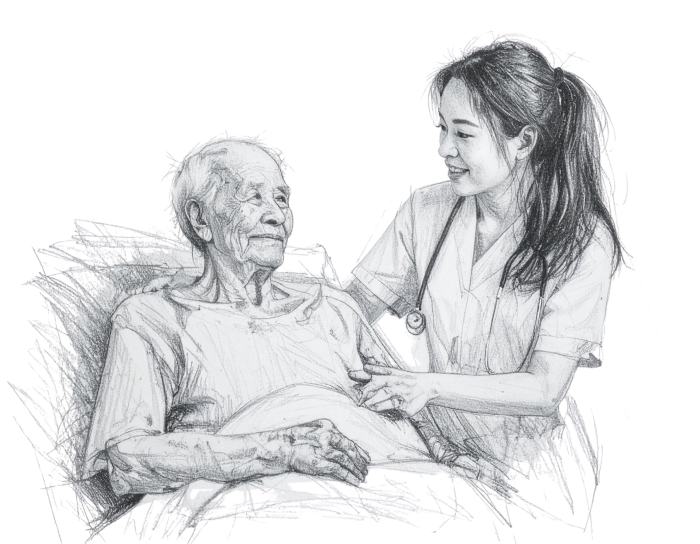
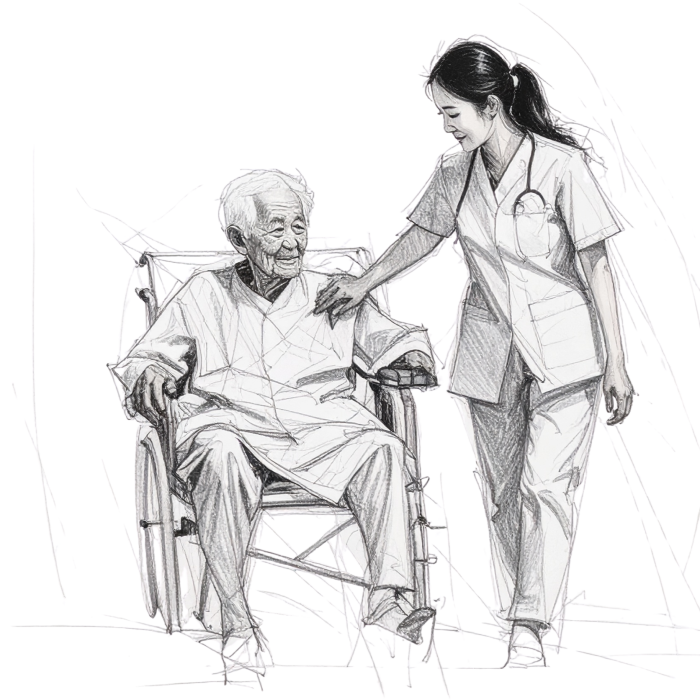
Stroke remains one of the leading causes of mortality and long-term disability worldwide and represents a major public health burden in Vietnam. Advances in acute stroke care have improved survival rates; however, many survivors experience persistent impairments affecting mobility, cognition, communication, and independence.
Stroke remains one of the leading causes of mortality and long-term disability worldwide and represents a major public health burden in Vietnam. Advances in acute stroke care have improved survival rates; however, many survivors experience persistent impairments affecting mobility, cognition, communication, and independence. Effective stroke rehabilitation is therefore essential to maximize functional recovery, reduce disability, and improve quality of life.
The Stroke Rehabilitation Course offered by the Academy of Medical Sciences, Vietnam (AMS Vietnam) is designed to provide comprehensive, evidence-based training for healthcare professionals involved in post-stroke care. The course integrates current scientific knowledge, clinical best practices, and multidisciplinary rehabilitation principles to support optimal recovery across the continuum of stroke care.
Course Objectives
The primary objective of this course is to strengthen professional competence in stroke rehabilitation through a structured, research-informed, and clinically relevant curriculum. Upon completion, participants will be able to:
- Understand the pathophysiology and functional consequences of stroke
- Apply evidence-based rehabilitation strategies across different recovery phases
- Conduct comprehensive functional assessments of stroke patients
- Design individualized, goal-oriented rehabilitation programs
- Integrate multidisciplinary approaches in stroke rehabilitation care
- Monitor progress and adjust interventions based on patient outcomes
- Promote long-term functional independence and community reintegration
The course emphasizes practical application, clinical reasoning, and outcome-oriented rehabilitation planning.
Target Participants
This course is intended for healthcare professionals involved in stroke management and rehabilitation, including:
- Physicians specializing in rehabilitation medicine, neurology, or geriatrics
- Physiotherapists and occupational therapists
- Speech and language therapists
- Nurses working in stroke units or rehabilitation settings
- Clinical psychologists and neuropsychologists
- Rehabilitation managers and clinical educators
The curriculum is suitable for both early-career professionals seeking foundational competence and experienced practitioners aiming to update and standardize their clinical practice according to current evidence.
Course Structure and Content
The Stroke Rehabilitation Course is structured into thematic modules that reflect the multidisciplinary and longitudinal nature of stroke recovery.
1. Overview of Stroke and Recovery Mechanisms
This module provides an overview of stroke epidemiology, classification, and pathophysiology, with a focus on mechanisms of neural injury and recovery. Participants explore neuroplasticity, spontaneous recovery processes, and factors influencing rehabilitation outcomes.
Emphasis is placed on understanding how timing, lesion characteristics, comorbidities, and environmental factors affect rehabilitation planning.
2. Assessment and Functional Evaluation
Accurate assessment is fundamental to effective rehabilitation. This module covers standardized tools and clinical methods for evaluating motor function, balance, mobility, activities of daily living, cognition, communication, and swallowing.
Participants learn to interpret assessment results, identify rehabilitation priorities, and set realistic, patient-centered goals based on functional capacity and recovery potential.
3. Motor Rehabilitation and Mobility Training
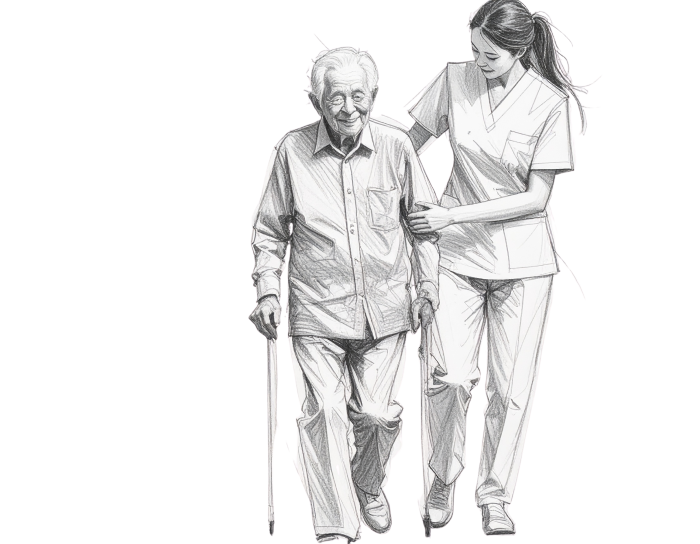
This module focuses on restoring motor function and mobility through evidence-based therapeutic interventions. Topics include upper and lower limb rehabilitation, gait training, balance retraining, spasticity management, and the use of assistive devices.
Current approaches such as task-specific training, constraint-induced movement therapy, and strength and endurance training are discussed in the context of individualized rehabilitation programs.
4. Cognitive, Communication, and Swallowing Rehabilitation
Stroke frequently affects cognitive function, speech, language, and swallowing. This module addresses assessment and intervention strategies for cognitive impairment, aphasia, dysarthria, and dysphagia.
Participants gain insight into interdisciplinary collaboration between speech therapists, psychologists, and medical professionals to ensure safe, effective, and coordinated care.
5. Activities of Daily Living and Functional Independence
Rehabilitation aims to restore independence in daily life. This module focuses on occupational therapy approaches to self-care, domestic activities, and adaptive strategies.
Participants learn to integrate environmental modification, assistive technology, and patient education to enhance functional autonomy and reduce caregiver burden.
6. Psychosocial Support and Patient-Centered Care
Psychological and social factors play a critical role in stroke recovery. This module examines emotional adjustment, depression, anxiety, motivation, and family dynamics.
Training emphasizes patient-centered communication, shared decision-making, and caregiver involvement to support holistic recovery and long-term adherence to rehabilitation plans.
7. Community Reintegration and Long-Term Management
Stroke rehabilitation extends beyond inpatient care. This module addresses transition planning, outpatient and community-based rehabilitation, vocational reintegration, and secondary prevention.
Participants explore strategies for long-term follow-up, self-management support, and collaboration with community resources to sustain functional gains.
Teaching and Learning Methods
The Academy of Medical Sciences, Vietnam employs learner-centered and practice-oriented teaching methods to ensure effective knowledge transfer and skill development. Teaching formats include:
- Expert-led lectures grounded in current clinical guidelines
- Case-based discussions reflecting real-world rehabilitation scenarios
- Practical demonstrations and clinical examples
- Group discussions to promote interdisciplinary perspectives
Where applicable, training may incorporate blended or hybrid delivery models to increase accessibility while maintaining academic rigor.
Faculty and Academic Quality
The course is delivered by experienced faculty members from AMS Vietnam and affiliated clinical and academic institutions. Faculty include rehabilitation physicians, neurologists, physiotherapists, occupational therapists, and other specialists with extensive clinical and teaching experience in stroke rehabilitation.
Academic oversight ensures that course content is evidence-based, regularly updated, and aligned with international standards and national clinical practice guidelines.
Ethical and Professional Considerations
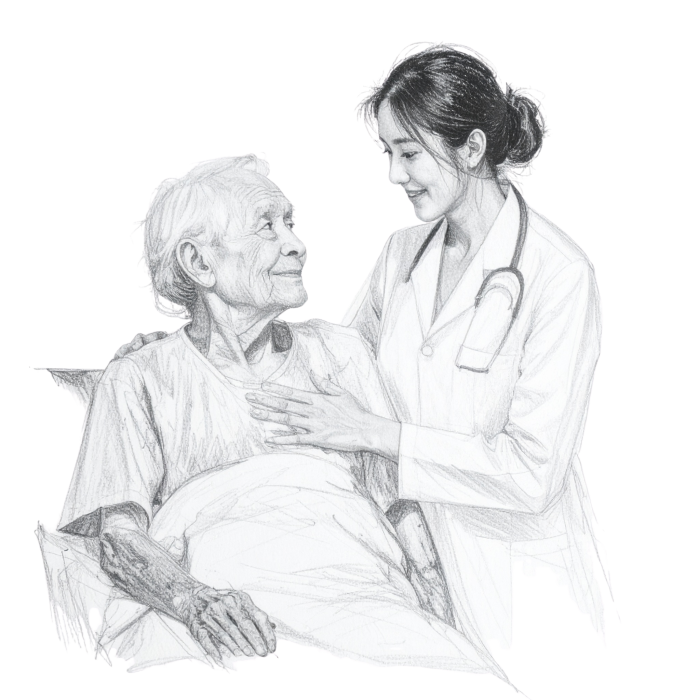
Ethical practice and patient safety are core principles of this course. Participants are trained to deliver rehabilitation interventions with respect for patient dignity, informed consent, cultural context, and professional accountability.
The course reinforces adherence to ethical standards, clinical governance frameworks, and regulatory requirements relevant to rehabilitation practice.
Expected Outcomes and Professional Impact
Upon completion of the Stroke Rehabilitation Course, participants are expected to demonstrate enhanced clinical competence, improved interdisciplinary collaboration, and greater confidence in managing complex rehabilitation cases.
At an institutional level, the course contributes to improved quality of stroke care, more consistent rehabilitation practices, and better functional outcomes for patients. At a broader level, it supports national efforts to reduce stroke-related disability and strengthen rehabilitation services in Vietnam.
Commitment to Excellence in Rehabilitation Training
Through this course, the Academy of Medical Sciences, Vietnam reaffirms its commitment to advancing rehabilitation science and professional training. By integrating scientific evidence, clinical expertise, and patient-centered values, the Stroke Rehabilitation Course equips healthcare professionals with the knowledge and skills required to deliver high-quality, effective, and compassionate care for stroke survivors.