Herbalist Level 1
The Herbalist Level 1 course of the Academy of Medical Sciences, Vietnam (AMS Vietnam) is an introductory training program designed to provide learners with a solid scientific and practical foundation in herbal medicine.
The Herbalist Level 1 course of the Academy of Medical Sciences, Vietnam (AMS Vietnam) is an introductory training program designed to provide learners with a solid scientific and practical foundation in herbal medicine. The course equips participants with essential knowledge of medicinal plants, traditional herbal principles, basic formulation concepts, and safe, responsible use of herbal materials in health-related contexts.
This program serves as the first level in the Academy’s structured herbal medicine training pathway and is suitable for individuals seeking formal, evidence-informed education in herbalism grounded in modern scientific standards.
Course Objectives
Herbalist Level 1 aims to:
- Introduce foundational concepts of herbal medicine and medicinal plants
- Build basic competence in plant identification, properties, and traditional uses
- Establish scientific understanding of herbal safety, quality, and regulation
- Provide introductory skills in herbal preparation and formulation
- Promote ethical, responsible, and evidence-informed practice
Upon completion, participants will have a clear conceptual framework for herbal medicine and be prepared for further advanced training or supervised application within appropriate professional boundaries.
Target Participants
This course is designed for:
- Beginners with an interest in herbal medicine
- Healthcare and wellness professionals seeking foundational herbal knowledge
- Researchers, students, or technicians working with medicinal plants
- Individuals involved in herbal products, nutrition, or natural health services
- Educators and community health workers
No prior formal training in herbal medicine is required. However, participants are expected to engage seriously with scientific concepts, safety standards, and ethical considerations.
Course Structure and Curriculum
The Herbalist Level 1 course is structured into core modules that integrate traditional knowledge with modern scientific perspectives.
1. Introduction to Herbal Medicine
This module provides an overview of herbal medicine as a discipline, including its historical development, cultural foundations, and contemporary relevance. Learners are introduced to major systems of traditional herbal practice and how they interface with modern biomedical science.
Key topics include:
- Definition and scope of herbal medicine
- Traditional knowledge systems and modern integration
- Role of herbal medicine in healthcare and wellness
- Limitations and appropriate use of herbal therapies
2. Medicinal Plant Identification and Classification
Participants learn the basic principles of medicinal plant identification and classification. Emphasis is placed on accurate recognition, correct nomenclature, and avoidance of misidentification.
Key topics include:
- Botanical classification and naming
- Plant morphology and growth characteristics
- Common medicinal plant families
- Introduction to pharmacognosy
This module emphasizes accuracy, documentation, and respect for biodiversity.
3. Active Constituents and Basic Pharmacology
This module introduces the chemical constituents commonly found in medicinal plants and their general biological activities. Content is delivered at an introductory level suitable for beginners.
Key topics include:
- Major classes of phytochemicals
- General mechanisms of action
- Factors affecting potency and variability
- Interaction considerations and limitations
The focus is on conceptual understanding rather than clinical prescribing.
4. Herbal Safety and Quality Principles
Safety is a central theme of the Herbalist Level 1 course. Participants are trained to recognize the importance of quality control, contamination risks, dosage considerations, and contraindications.
Key topics include:
- Safe sourcing of herbal materials
- Quality standards and testing principles
- Toxicity awareness and risk management
- Regulatory and ethical considerations
This module reinforces that herbal medicine must be practiced responsibly and within legal and professional boundaries.
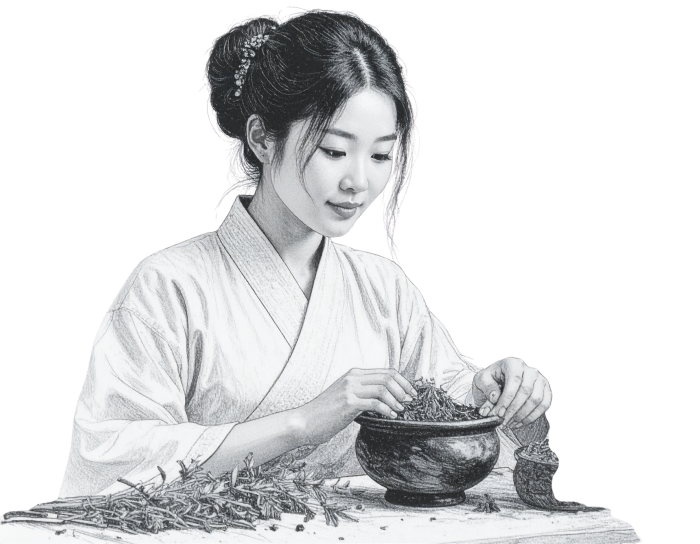
5. Introduction to Herbal Preparation and Formulation
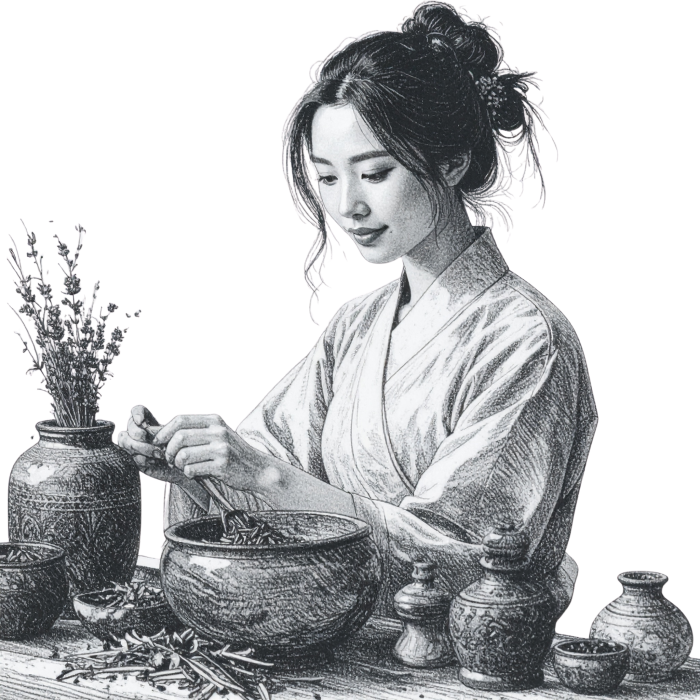
Learners are introduced to basic herbal preparation methods commonly used in traditional and modern contexts.
Key topics include:
- Dried herbs, powders, and simple extracts
- Basic infusion and decoction principles
- Overview of topical and oral preparations
- Storage and stability considerations
This module focuses on principles rather than commercial-scale production.
6. Evidence-Based Perspective on Herbal Use
Participants are introduced to the concept of evidence-based practice in herbal medicine. The module highlights how scientific research, traditional knowledge, and clinical observation intersect.
Key topics include:
- Types of scientific evidence
- Reading and interpreting basic research findings
- Claims versus evidence
- Ethical communication of benefits and limitations
Teaching Methods and Learning Approach
The Academy of Medical Sciences, Vietnam applies a structured, learner-centered approach to training. Herbalist Level 1 combines theoretical instruction with practical demonstrations and case-based discussion.
Teaching methods include:
- Lectures and guided learning materials
- Visual aids and botanical references
- Practical demonstrations (where applicable)
- Case studies and group discussion
- Knowledge assessments and reflections
The course is delivered in a format suitable for adult learners, balancing accessibility with academic rigor.
Assessment and Completion
Participant learning is assessed through a combination of:
- Knowledge-based evaluations
- Practical or applied exercises (as applicable)
- Participation and engagement
Participants who meet the course requirements will receive a Certificate of Completion issued by the Academy of Medical Sciences, Vietnam.
This certificate confirms successful completion of an introductory-level training program and does not authorize independent clinical practice or medical claims.
Ethical and Professional Standards
Herbalist Level 1 emphasizes professional responsibility, ethical conduct, and respect for scientific and legal frameworks. Participants are clearly informed of the boundaries between education, wellness support, and regulated medical practice.
The course promotes:
- Honest communication
- Respect for patient safety
- Compliance with regulations
- Continuous learning and supervision
Pathway to Advanced Training
Herbalist Level 1 serves as a prerequisite or foundational entry point for higher-level herbal medicine courses offered by AMS Vietnam. Graduates may progress to advanced levels that explore formulation science, clinical research, quality control, and regulated applications of herbal products.
Commitment to Quality and Science
Through the Herbalist Level 1 course, the Academy of Medical Sciences, Vietnam affirms its commitment to structured, ethical, and science-informed training in herbal medicine. The program reflects the Academy’s broader mission to elevate standards, build capacity, and promote responsible integration of traditional knowledge within modern health sciences.