Acupressure Technician
The acupressure technician course responds to the growing demand for non-invasive, drug-free supportive therapies that contribute to pain management, functional rehabilitation, stress reduction, and overall well-being. Graduates of the course are prepared to work in healthcare, wellness, rehabilitation, and community-based settings under appropriate professional and regulatory frameworks.
The Acupressure Technician Course at the Academy of Medical Sciences, Vietnam (AMS Vietnam) is a structured professional training program designed to develop competent practitioners in the application of acupressure as a complementary therapeutic technique. Rooted in traditional medicine principles and informed by modern biomedical understanding, the course equips learners with the knowledge, skills, and ethical foundations required to deliver safe, effective, and evidence-informed acupressure services.
This program responds to the growing demand for non-invasive, drug-free supportive therapies that contribute to pain management, functional rehabilitation, stress reduction, and overall well-being. Graduates of the course are prepared to work in healthcare, wellness, rehabilitation, and community-based settings under appropriate professional and regulatory frameworks.
Program Objectives
The Acupressure Technician Course aims to:
- Provide foundational and applied knowledge of acupressure theory and practice
- Develop technical proficiency in locating and stimulating acupressure points
- Ensure safe, ethical, and client-centered practice
- Integrate traditional acupressure concepts with basic biomedical knowledge
- Enable graduates to support health promotion and symptom management
The program emphasizes competence, responsibility, and practical applicability rather than rote learning or unverified claims.
Conceptual and Scientific Foundation
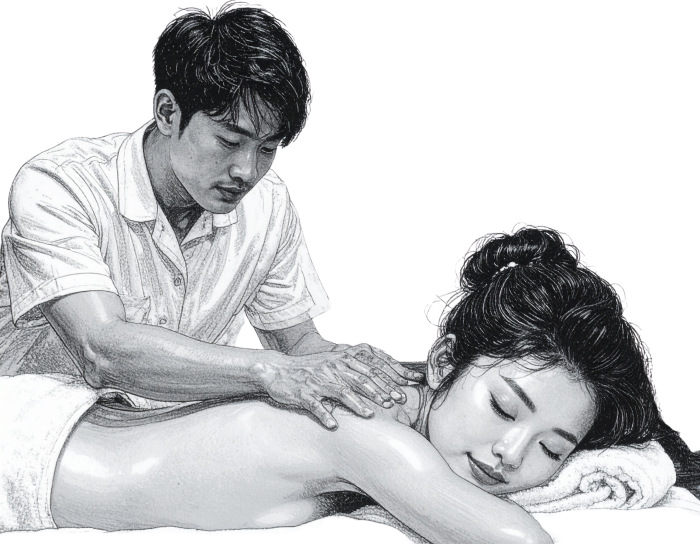
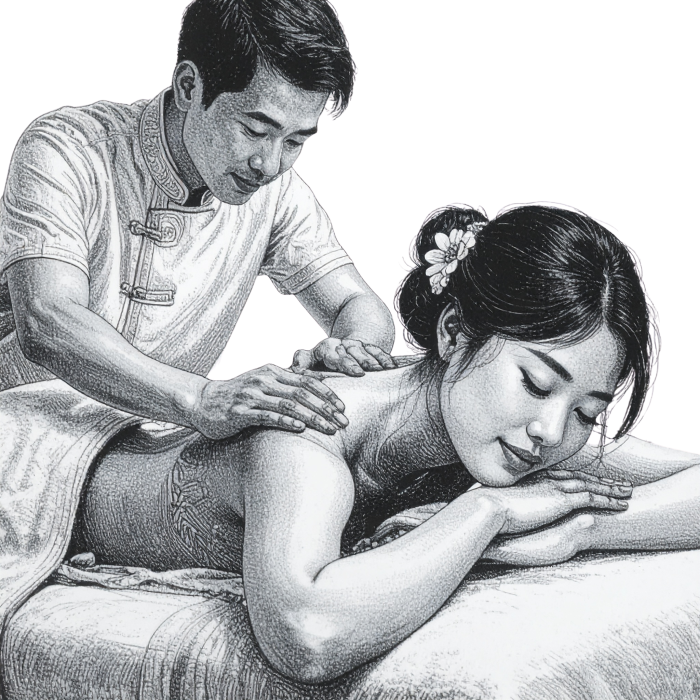
Acupressure is a manual therapeutic technique derived from traditional medicine systems that involve the application of controlled pressure to specific points on the body. The course presents acupressure within an educational framework that respects traditional theoretical models while aligning practice with contemporary standards of safety, anatomy, and physiology.
Participants are trained to understand:
- Traditional concepts underlying acupressure point systems
- Basic human anatomy and physiology relevant to manual therapy
- Mechanisms by which tactile stimulation may influence neuromuscular and circulatory function
- Indications, limitations, and contraindications of acupressure
This balanced approach supports responsible practice and interdisciplinary collaboration.
Curriculum Structure
The Acupressure Technician Course is organized into integrated modules combining theory, demonstration, and supervised practice.
1. Introduction to Acupressure
- History and development of acupressure
- Role of acupressure in traditional and complementary healthcare
- Scope of practice for acupressure technicians
2. Basic Anatomy and Physiology
- Musculoskeletal system
- Nervous system and pain perception
- Circulatory and lymphatic systems
- Relevance of anatomy to acupressure techniques
3. Acupressure Points and Meridians
- Classification of acupressure points
- Anatomical location and landmarking
- Functional characteristics of commonly used points
- Point selection principles
4. Acupressure Techniques and Methods
- Hand positions and pressure techniques
- Duration, intensity, and rhythm of stimulation
- Sequencing and treatment flow
- Adaptation for different body regions
5. Clinical Applications
- Supportive management of musculoskeletal discomfort
- Stress, fatigue, and relaxation support
- Functional support for mobility and posture
- General wellness and preventive care contexts
6. Safety, Contraindications, and Ethics
- Client screening and informed consent
- Contraindications and referral criteria
- Infection control and hygiene
- Professional boundaries and ethical conduct
7. Practical Training and Supervised Practice
- Demonstration sessions
- Guided hands-on practice
- Case-based learning scenarios
- Skills assessment and feedback
Training Methodology
AMS Vietnam applies a competency-based training methodology to ensure graduates can apply skills effectively and responsibly.
Training methods include:
- Classroom instruction
- Visual demonstration and anatomical models
- Hands-on supervised practice
- Case discussions and scenario-based learning
- Continuous formative assessment
Class sizes are structured to ensure adequate supervision and individualized feedback during practical sessions.
Faculty and Instructional Oversight
The course is delivered by qualified instructors with expertise in traditional medicine, manual therapy, clinical practice, and health education. Faculty members are selected based on professional credentials, teaching experience, and adherence to ethical and scientific standards.
Academic oversight ensures that course content remains current, accurate, and aligned with the Academy’s training policies and quality assurance framework.
Assessment and Certification
Participant assessment is based on both theoretical understanding and practical competence. Evaluation methods may include:
- Written or oral knowledge assessments
- Practical skills demonstrations
- Instructor observation during supervised practice
- Professional conduct evaluation
Participants who meet all academic and practical requirements are awarded a Certificate of Acupressure Technician issued by the Academy of Medical Sciences, Vietnam.
Certification signifies successful completion of training; it does not replace professional licensing requirements where such regulations apply.
Target Participants
The Acupressure Technician Course is suitable for:
- Healthcare and rehabilitation support staff
- Wellness and complementary therapy practitioners
- Individuals seeking professional skills in acupressure
- Graduates of health-related or traditional medicine programs
- Practitioners aiming to expand their service offerings
No invasive procedures are taught, and no prior advanced medical qualification is required, unless specified by local regulations.
Professional Scope and Career Pathways
Graduates may apply their skills in settings such as:
- Wellness and rehabilitation centers
- Traditional medicine clinics
- Community health programs
- Elderly care and supportive therapy services
- Integrative healthcare environments
Graduates are trained to work within defined scopes of practice and to collaborate with licensed healthcare professionals when appropriate.
Ethical and Regulatory Considerations
The Academy of Medical Sciences, Vietnam emphasizes responsible practice and compliance with applicable laws and professional standards. The course clearly defines the limits of acupressure practice and reinforces the importance of referral to qualified medical professionals when conditions fall outside the technician’s scope.
Participants are trained to communicate accurately, avoid unsubstantiated claims, and prioritize client safety and well-being.
Commitment to Quality and Professionalism
Through the Acupressure Technician Course, AMS Vietnam contributes to the professionalization of complementary health practices by setting clear standards for training, competence, and ethics. The program reflects the Academy’s commitment to evidence-informed education, public safety, and workforce development.
By completing this course, participants gain not only practical skills but also a professional mindset grounded in responsibility, respect for science, and service to the community.