Strategies for Infection Control in the Beauty Salons
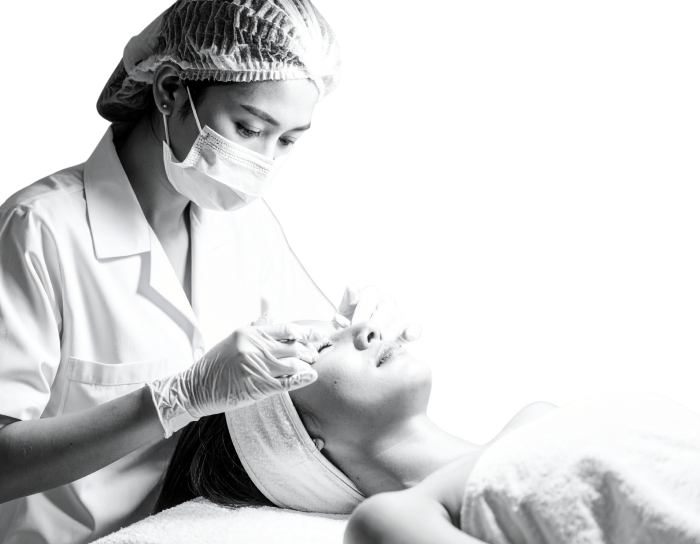
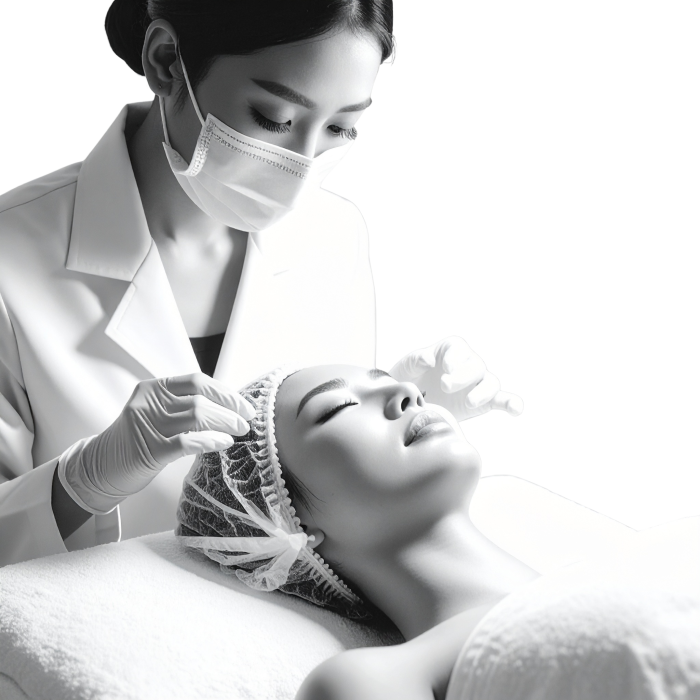
The course “Strategies for Infection Control in the Beauty Salons” is a specialized training program developed by the Academy of Medical Sciences, Vietnam (AMS Vietnam) to address infection prevention and control (IPC) risks in non-medical aesthetic and beauty service settings.
The course “Strategies for Infection Control in the Beauty Salons” is a specialized training program developed by the Academy of Medical Sciences, Vietnam (AMS Vietnam) to address infection prevention and control (IPC) risks in non-medical aesthetic and beauty service settings. Beauty salons, spas, nail studios, tattoo and cosmetic service facilities involve frequent skin contact, use of sharp or invasive tools, and close interaction between practitioners and clients—conditions that can facilitate the transmission of infectious agents if not properly managed.
This course equips beauty professionals, salon managers, trainers, and inspectors with evidence-based knowledge and practical skills to minimize infection risks, protect public health, and comply with safety and hygiene standards.
Course Rationale and Public Health Importance
Beauty salons operate at the intersection of personal care and health risk. Inadequate infection control can lead to:
- Skin and soft tissue infections
- Bloodborne pathogen transmission
- Fungal and bacterial outbreaks
- Cross-contamination between clients and staff
- Legal and reputational consequences for establishments
As the beauty and aesthetic services sector expands rapidly, infection control must evolve from informal practice to standardized, science-based systems. This course responds to that need by translating medical infection control principles into practical, salon-appropriate strategies.
AMS Vietnam brings medical science expertise to a sector where infection prevention is essential but often under-regulated or inconsistently implemented.
Course Objectives
Upon completion of the course, participants will be able to:
- Identify common infectious risks in beauty salon environments
- Understand routes of transmission relevant to beauty services
- Apply standard precautions and hygiene principles appropriately
- Implement effective cleaning, disinfection, and sterilization procedures
- Manage tools, equipment, and consumables safely
- Protect staff and clients through proper personal protective practices
- Develop and maintain infection control protocols for salon operations
- Respond appropriately to exposure incidents and suspected infections
Target Participants
This course is designed for:
- Beauty salon owners and managers
- Nail technicians, hair stylists, estheticians, and spa therapists
- Tattoo and cosmetic service practitioners
- Trainers and educators in beauty and aesthetics
- Quality and safety officers
- Regulatory inspectors and supervisors
No medical background is required. Content is tailored to practical salon operations while maintaining scientific rigor.
Course Structure and Core Modules
Module 1: Fundamentals of Infection Control
This module introduces basic concepts of infection prevention adapted from healthcare settings to beauty salons. Participants learn:
- Types of microorganisms (bacteria, viruses, fungi, parasites)
- Conditions that favor infection transmission
- Difference between contamination, colonization, and infection
- The concept of standard precautions
Emphasis is placed on understanding risk rather than memorizing rules.
Module 2: Routes of Transmission in Beauty Services
Participants examine how infections spread in salon environments, including:
- Direct skin-to-skin contact
- Exposure to blood and body fluids
- Contaminated instruments and surfaces
- Aerosols and droplets in close-contact services
Real-world scenarios are used to help learners recognize high-risk practices.
Module 3: Hand Hygiene and Personal Protective Measures
Hand hygiene is the single most effective infection control measure. This module covers:
- Proper handwashing techniques
- Use of alcohol-based hand rubs
- When and how to use gloves, masks, and protective clothing
- Avoiding false security and misuse of protective equipment
Participants practice correct techniques applicable to salon workflows.
Module 4: Cleaning, Disinfection, and Sterilization
This core module differentiates between:
- Cleaning
- Disinfection
- Sterilization
Participants learn:
- Which methods are appropriate for specific tools and equipment
- Selection and safe use of disinfectants
- Contact times and concentration principles
- Common errors that reduce effectiveness
The module emphasizes practicality and compliance with manufacturer instructions.
Module 5: Instrument and Equipment Management
Improper tool handling is a major infection risk. This module addresses:
- Single-use versus reusable instruments
- Safe handling of sharps and invasive tools
- Storage and transportation of clean equipment
- Prevention of cross-contamination between clients
Participants develop tool management workflows suitable for their service type.
Module 6: Environmental Hygiene and Salon Layout
Infection control extends beyond tools. This module examines:
- Workstation design
- Surface cleaning schedules
- Waste segregation and disposal
- Laundry management for towels and linens
Participants learn how salon layout and workflow can reduce infection risks.
Module 7: Staff Health and Occupational Safety
Protecting workers is essential for protecting clients. Topics include:
- Skin integrity and personal health responsibilities
- Managing cuts, wounds, and skin conditions
- Vaccination awareness and occupational health principles
- Reporting and responding to exposure incidents
The module promotes a culture of safety and accountability.
Module 8: Infection Control Policies and Documentation
Participants are guided in developing:
- Standard operating procedures (SOPs)
- Cleaning and disinfection logs
- Incident reporting systems
- Staff training and supervision plans
This module supports long-term compliance and quality improvement.
Teaching Methods and Learning Approach
The course uses a practice-oriented learning model, including:
- Expert-led lectures
- Case studies from beauty salon settings
- Visual demonstrations
- Practical checklists and templates
- Knowledge assessments
Training is delivered in formats suitable for working professionals, including in-person, online, or hybrid options depending on program delivery.
Assessment and Certification
Participants are evaluated through:
- Knowledge-based assessments
- Scenario analysis
- Practical application exercises
Those who meet course requirements receive a Certificate of Completion issued by the Academy of Medical Sciences, Vietnam, recognizing competency in infection control strategies for beauty salons.
Ethical and Regulatory Alignment
The course content aligns with:
- Public health and infection prevention principles
- Occupational safety standards
- Consumer protection expectations
- Ethical responsibilities of service providers
While not a regulatory license, the course supports compliance with local health authority inspections and quality assurance requirements.
Impact and Professional Value
Completion of this course enables participants to:
- Reduce infection-related incidents
- Improve client trust and reputation
- Strengthen operational quality and consistency
- Enhance professional credibility
- Contribute to public health protection
For salon owners and managers, the course provides a structured framework to standardize infection control across services and staff.
Commitment of the Academy of Medical Sciences, Vietnam
Through this course, the Academy of Medical Sciences, Vietnam applies medical science principles to real-world service environments, supporting safer practices beyond traditional healthcare settings. By elevating infection control standards in the beauty industry, AMS Vietnam contributes to healthier communities, professional accountability, and sustainable sector development.