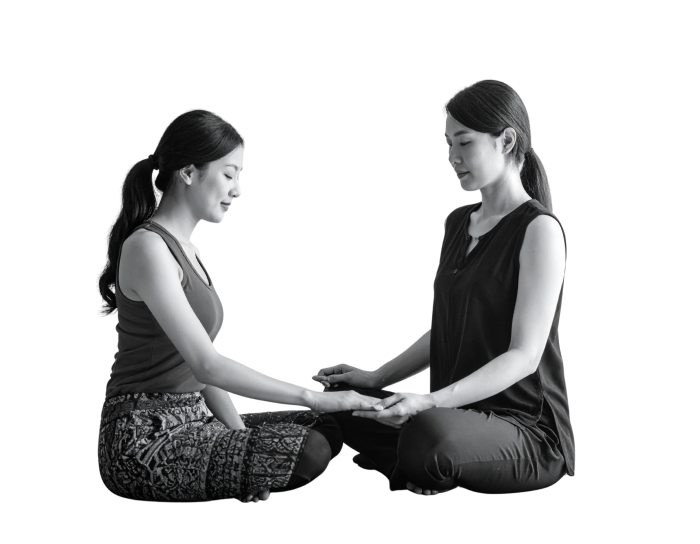
Wellness Coach
The Wellness Coach Program of the Academy of Medical Sciences, Vietnam (AMS Vietnam) is a structured professional training course designed to develop competent, ethical, and evidence-informed wellness practitioners.
The Wellness Coach Program of the Academy of Medical Sciences, Vietnam (AMS Vietnam) is a structured professional training course designed to develop competent, ethical, and evidence-informed wellness practitioners. The program equips learners with scientific knowledge, practical coaching skills, and interdisciplinary understanding necessary to support individual and community well-being in a rapidly evolving health landscape.
Wellness coaching is increasingly recognized as a critical complement to clinical care and public health initiatives. The AMS Vietnam Wellness Coach Program is grounded in medical science, behavioral research, and public health principles, ensuring that coaching practice is aligned with evidence-based standards and responsible health promotion.
Program Objectives
The Wellness Coach Program aims to:
- Develop scientifically grounded wellness coaching competencies
- Promote holistic, preventive, and lifestyle-oriented health approaches
- Strengthen communication, behavior change, and coaching skills
- Ensure ethical, safe, and non-clinical boundaries in coaching practice
- Align wellness practice with public health and medical science principles
Graduates of the program are prepared to work responsibly within wellness, preventive health, lifestyle support, and health promotion contexts, while understanding the limits of non-clinical practice.
Program Philosophy and Scientific Foundation
The Wellness Coach Program at AMS Vietnam is founded on the principle that sustainable health improvement requires an integrated understanding of biological, psychological, social, and environmental determinants of health.
The curriculum draws from:
- Preventive medicine and lifestyle science
- Nutrition and physical activity research
- Stress management and mental well-being frameworks
- Behavioral science and health psychology
- Public health and population wellness models
All content is developed and reviewed by qualified medical, public health, and research professionals to ensure accuracy, relevance, and alignment with current scientific evidence.
Curriculum Structure
The program is delivered through a modular structure that integrates theory, application, and supervised practice.
1. Foundations of Wellness and Health Science
Participants are introduced to core concepts of health, wellness, and disease prevention. Topics include basic human physiology, determinants of health, lifestyle-related risk factors, and the role of wellness interventions in health maintenance.
This module establishes a shared scientific foundation for learners from diverse backgrounds.
2. Nutrition and Lifestyle Wellness
This module focuses on evidence-based nutrition principles, dietary patterns, physical activity, sleep health, and daily lifestyle behaviors. Emphasis is placed on translating scientific guidelines into practical, culturally appropriate recommendations.
Participants learn to support healthy habits without engaging in medical diagnosis or treatment.
3. Stress Management and Mental Well-being
Learners explore the physiological and psychological effects of stress, as well as validated strategies for stress reduction and resilience building. Topics include mindfulness-based approaches, emotional regulation, and work–life balance.
The module reinforces the importance of referral to qualified professionals when mental health concerns exceed the scope of wellness coaching.
4. Behavior Change and Coaching Methodology
Effective coaching requires strong communication and behavior change skills. This module covers coaching models, motivational interviewing principles, goal-setting frameworks, and accountability strategies.
Participants practice client-centered coaching techniques that support autonomy, motivation, and sustainable behavior change.
5. Ethics, Professional Boundaries, and Safety
Ethics is a core component of the program. Learners are trained in professional conduct, confidentiality, informed consent, scope-of-practice limitations, and referral protocols.
This module ensures that wellness coaches operate responsibly, transparently, and in alignment with legal and ethical standards.
6. Practical Application and Supervised Practice
The program includes applied learning through case studies, role-playing, and supervised coaching sessions. Participants integrate knowledge and skills in realistic scenarios while receiving structured feedback from instructors.
Teaching and Learning Methods
The Academy of Medical Sciences, Vietnam applies adult-learning and competency-based education principles. Teaching methods include:
- Interactive lectures and seminars
- Case-based discussions
- Skills workshops and simulations
- Guided self-study and reflective practice
- Supervised coaching exercises
Training may be delivered in in-person, online, or blended formats, depending on program design and participant needs.
Faculty and Academic Oversight
The Wellness Coach Program is delivered under the academic oversight of AMS Vietnam and taught by a multidisciplinary faculty that may include physicians, public health specialists, nutrition scientists, psychologists, and experienced educators.
All instructors are selected based on professional qualifications, teaching experience, and subject-matter expertise. Curriculum content is periodically reviewed to ensure scientific accuracy and relevance.
Assessment and Certification
Participant assessment is designed to evaluate both knowledge acquisition and practical competence. Assessment methods may include written evaluations, case analyses, skills demonstrations, and participation in supervised practice.
Participants who successfully complete all program requirements are awarded a Certificate of Completion in Wellness Coaching issued by the Academy of Medical Sciences, Vietnam.
Certification confirms completion of training but does not constitute a medical, clinical, or licensed healthcare qualification.
Professional Scope and Career Pathways
Graduates of the Wellness Coach Program may apply their competencies in a range of non-clinical settings, including:
- Wellness and lifestyle programs
- Corporate health promotion initiatives
- Community-based health projects
- Fitness, nutrition, and wellness centers
- Support roles within preventive health teams
The program emphasizes collaboration with healthcare professionals and appropriate referral when medical evaluation or treatment is required.
Ethical and Regulatory Alignment
The Academy of Medical Sciences, Vietnam ensures that the Wellness Coach Program is aligned with ethical principles, public health priorities, and applicable regulations. The program explicitly avoids clinical diagnosis, medical treatment, or therapeutic claims beyond evidence-supported wellness support.
This approach protects participants, clients, and institutions while maintaining public trust and professional credibility.
Contribution to Public Health and Society
Wellness coaches play an increasingly important role in supporting preventive health, healthy aging, and chronic disease risk reduction. By training wellness coaches grounded in science and ethics, AMS Vietnam contributes to broader public health goals and community well-being.
The program supports national efforts to promote healthier lifestyles and reduce the burden of preventable disease.
Commitment to Quality and Continuous Improvement
The Academy of Medical Sciences, Vietnam is committed to continuous improvement in training quality. Feedback from learners, faculty, and stakeholders is systematically reviewed to refine curriculum content, teaching methods, and assessment standards.
Through ongoing evaluation and alignment with scientific advances, the Wellness Coach Program remains relevant, responsible, and impactful.
The Wellness Coach Program at the Academy of Medical Sciences, Vietnam represents a rigorous, ethical, and science-based approach to wellness education. By integrating medical knowledge, behavioral science, and professional coaching practice, the program prepares learners to contribute meaningfully to health promotion and preventive care.
AMS Vietnam remains dedicated to developing training programs that strengthen human capacity, uphold scientific integrity, and serve the long-term health interests of society.