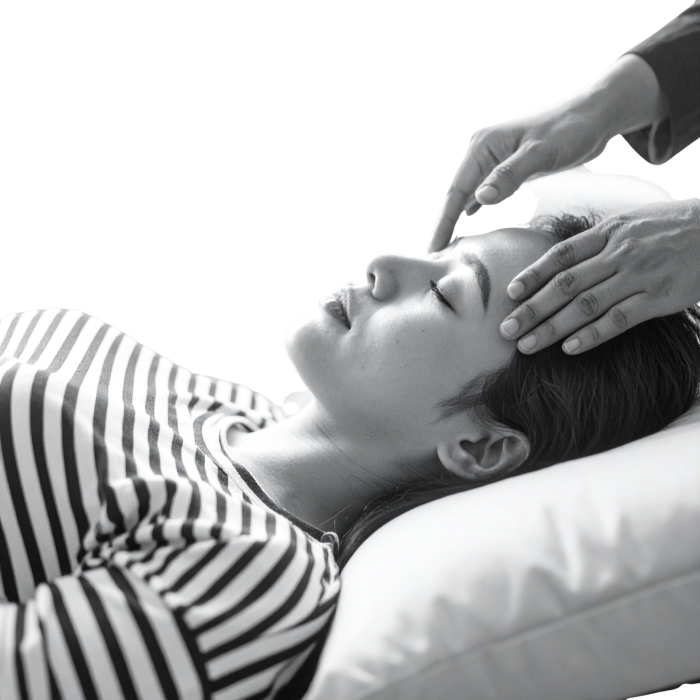
Therapeutic Hypnosis
Therapeutic hypnosis is an evidence-informed psychological intervention that utilizes focused attention, heightened awareness, and guided suggestion to support behavioral change, symptom management, and psychological well-being.
Therapeutic hypnosis is an evidence-informed psychological intervention that utilizes focused attention, heightened awareness, and guided suggestion to support behavioral change, symptom management, and psychological well-being. At the Academy of Medical Sciences, Vietnam (AMS Vietnam), the Therapeutic Hypnosis course is designed to provide healthcare professionals and practitioners with a rigorous, ethical, and clinically grounded understanding of hypnosis as a complementary therapeutic modality.
This course emphasizes scientific foundations, clinical applicability, and patient safety. It is structured to distinguish therapeutic hypnosis from stage performance or entertainment-based practices, focusing instead on its role within healthcare, mental health, and integrative medicine settings.
Scientific and Clinical Foundations
Therapeutic hypnosis is supported by a growing body of research in neuroscience, psychology, and clinical medicine. Studies demonstrate its effectiveness in areas such as pain management, anxiety reduction, stress-related disorders, psychosomatic conditions, habit modification, and adjunctive support in medical procedures.
The AMS Vietnam course introduces participants to:
- Neurophysiological mechanisms of attention, perception, and suggestion
- Cognitive and behavioral processes underlying hypnotic responsiveness
- Clinical evidence supporting hypnotic interventions
- Indications, limitations, and contraindications
By grounding hypnosis in scientific understanding, the program ensures that participants apply techniques responsibly and within appropriate clinical or professional boundaries.
Course Objectives
Upon completion of the Therapeutic Hypnosis course, participants will be able to:
- Understand the theoretical and scientific basis of therapeutic hypnosis
- Apply structured hypnotic techniques in a safe and ethical manner
- Integrate hypnosis appropriately into clinical or professional practice
- Recognize patient suitability and manage risk effectively
- Maintain professional standards and ethical responsibility
The course prioritizes competence, clinical judgment, and patient-centered care over mechanical technique alone.
Target Participants
This course is designed for professionals whose scope of practice permits therapeutic or behavioral intervention, including:
- Medical doctors and clinicians
- Psychologists and mental health professionals
- Healthcare practitioners in integrative or complementary medicine
- Counselors and therapists (within regulatory limits)
- Health professionals involved in behavioral change support
Participants are expected to adhere to professional codes of ethics and apply hypnosis only within their legally permitted scope of practice.
Curriculum Structure
The Therapeutic Hypnosis course is delivered through a structured curriculum combining theory, demonstration, guided practice, and case-based discussion.
Key modules include:
1. Introduction to Therapeutic Hypnosis Definitions, historical development, and contemporary clinical applications. Distinction between therapeutic, experimental, and entertainment hypnosis.
2. Neurocognitive Mechanisms of Hypnosis Brain states, attention modulation, suggestibility, and the role of expectancy and therapeutic alliance.
3. Induction and Deepening Techniques Evidence-based methods for hypnotic induction, deepening, and stabilization, with emphasis on adaptability to individual clients.
4. Therapeutic Suggestion and Intervention Design Constructing effective, ethical, and goal-oriented suggestions aligned with therapeutic objectives.
5. Clinical Applications Use of hypnosis in pain management, anxiety and stress reduction, sleep disturbances, habit change, and psychosomatic symptoms.
6. Safety, Ethics, and Professional Responsibility Risk assessment, contraindications, informed consent, documentation, and professional boundaries.
7. Integration into Clinical Practice Combining hypnosis with conventional medical, psychological, or therapeutic approaches.
Teaching and Learning Methods
AMS Vietnam employs learner-centered and competency-based teaching methods to ensure practical applicability and clinical relevance.
Training methods include:
- Expert-led lectures and seminars
- Live demonstrations of hypnotic techniques
- Supervised practice sessions
- Clinical case analysis and discussion
- Reflective learning and professional feedback
Emphasis is placed on experiential learning while maintaining strict ethical and safety standards.
Ethical and Regulatory Considerations
Ethics is a core component of the Therapeutic Hypnosis course. Participants are trained to:
- Obtain informed consent and manage expectations
- Respect patient autonomy and psychological safety
- Avoid suggestion that may cause harm or dependency
- Operate strictly within professional scope and legal frameworks
AMS Vietnam does not promote hypnosis as a standalone cure, nor as a replacement for evidence-based medical or psychological treatment. Instead, it is positioned as a complementary intervention applied responsibly and judiciously.
Faculty and Academic Oversight
The course is delivered by faculty members with expertise in clinical psychology, medicine, behavioral science, and integrative health. All instructors are selected based on academic qualifications, clinical experience, and teaching competence.
Academic oversight ensures that course content remains aligned with scientific evidence, ethical standards, and national regulations governing healthcare training.
Assessment and Certification
Participant assessment focuses on competence and professional readiness rather than rote examination. Assessment methods may include:
- Practical demonstrations of hypnotic techniques
- Case-based analysis
- Participation in supervised practice
- Ethical decision-making scenarios
Participants who successfully meet course requirements receive a certificate of completion issued by the Academy of Medical Sciences, Vietnam, acknowledging formal training in therapeutic hypnosis.
Professional Application and Outcomes
Graduates of the course are equipped to integrate therapeutic hypnosis into appropriate professional contexts, such as:
- Clinical symptom management
- Behavioral change support programs
- Stress and anxiety reduction interventions
- Integrative healthcare services
The course does not confer licensure or independent clinical authority. Participants remain responsible for complying with national laws and professional regulations governing their practice.
Commitment to Evidence-Based Practice
The Academy of Medical Sciences, Vietnam is committed to advancing training that is scientifically grounded, ethically sound, and socially responsible. The Therapeutic Hypnosis course reflects this commitment by emphasizing critical thinking, evidence appraisal, and continuous professional development.
As research in neuroscience and behavioral medicine continues to evolve, AMS Vietnam regularly reviews and updates course content to reflect current scientific understanding and best practices.
The Therapeutic Hypnosis course at the Academy of Medical Sciences, Vietnam provides a structured, responsible, and evidence-informed pathway for professionals seeking to develop competence in this specialized therapeutic modality. By integrating scientific knowledge, ethical practice, and clinical applicability, the course supports practitioners in delivering safe, effective, and patient-centered care.