Sport Injury Rehabilitation
The Sport Injury Rehabilitation course of the Academy of Medical Sciences, Vietnam (AMS Vietnam) is a specialized training program designed to equip healthcare professionals with comprehensive, evidence-based competencies in the prevention, assessment, treatment, and rehabilitation of sports-related injuries.
The Sport Injury Rehabilitation course of the Academy of Medical Sciences, Vietnam (AMS Vietnam) is a specialized training program designed to equip healthcare professionals with comprehensive, evidence-based competencies in the prevention, assessment, treatment, and rehabilitation of sports-related injuries. The course integrates medical science, rehabilitation principles, and practical application to support safe and effective return-to-activity outcomes for athletes and physically active populations.
Sport and physical activity are essential components of public health, performance optimization, and quality of life. However, they are also associated with a wide spectrum of acute and chronic musculoskeletal injuries. Effective rehabilitation requires a structured, scientifically grounded approach that combines clinical assessment, functional restoration, injury prevention, and long-term performance management. This course addresses these needs through a multidisciplinary and practice-oriented curriculum.
Course Objectives
The Sport Injury Rehabilitation course aims to:
- Provide a scientific foundation in sports injury mechanisms and pathophysiology
- Develop competency in clinical assessment and functional diagnosis of sports injuries
- Train participants in evidence-based rehabilitation strategies and protocols
- Enhance understanding of injury prevention and return-to-sport decision-making
- Promote ethical, safe, and patient-centered rehabilitation practice
Upon completion, participants will be able to design, implement, and evaluate rehabilitation programs tailored to individual athletes, injury profiles, and sport-specific demands.
Target Participants
This course is designed for professionals involved in sports health, rehabilitation, and performance, including:
- Physicians and sports medicine practitioners
- Physiotherapists and rehabilitation specialists
- Exercise physiologists and sports scientists
- Athletic trainers and strength and conditioning coaches
- Healthcare professionals working with physically active populations
The course is also suitable for clinicians and health professionals seeking to expand their expertise into sports injury management and rehabilitation science.
Curriculum Structure
The curriculum is structured into integrated modules that progress from foundational knowledge to applied clinical practice.
1. Fundamentals of Sports Injury Science
This module introduces the epidemiology, biomechanics, and pathophysiology of sports injuries. Participants gain an understanding of common acute and overuse injuries affecting muscles, tendons, ligaments, joints, and bones. Risk factors, injury mechanisms, and sport-specific injury patterns are examined to support accurate clinical reasoning.
2. Clinical Assessment and Functional Evaluation
Accurate assessment is critical to effective rehabilitation. This module focuses on history taking, physical examination, functional testing, and movement analysis. Participants learn to identify impairments in strength, mobility, neuromuscular control, and biomechanics, and to translate assessment findings into targeted rehabilitation goals.
3. Rehabilitation Principles and Therapeutic Interventions
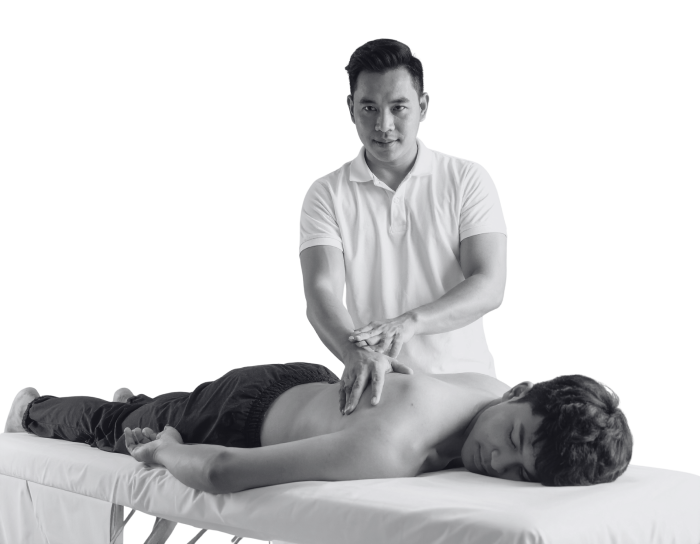
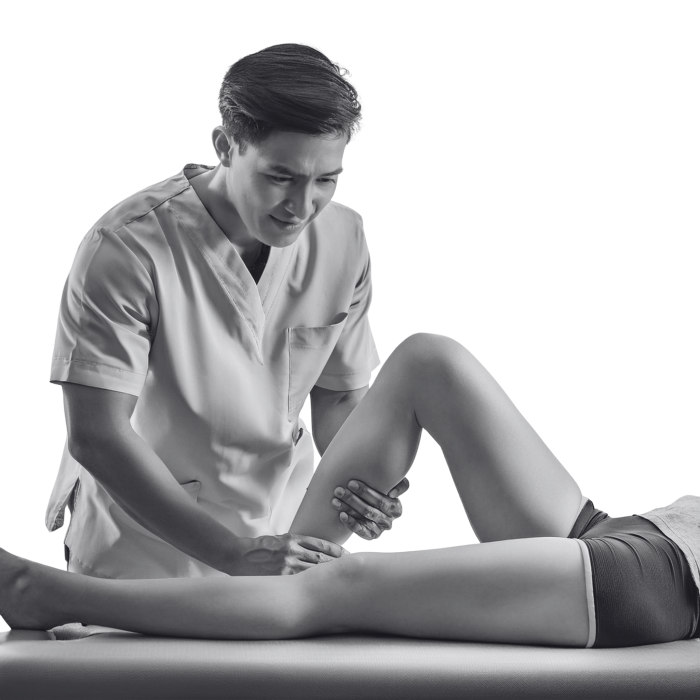
This core module covers evidence-based rehabilitation strategies, including therapeutic exercise, manual therapy principles, neuromuscular re-education, and functional training. Emphasis is placed on progressive loading, tissue healing timelines, and individualization of programs according to injury stage and athlete profile.
4. Sport-Specific Rehabilitation and Return-to-Activity
Rehabilitation must align with the physical and technical demands of specific sports. This module addresses sport-specific conditioning, functional progression, and criteria-based return-to-sport decision-making. Participants learn to balance performance readiness with injury risk reduction.
5. Injury Prevention and Performance Optimization
Preventive strategies are integral to long-term athlete health. This module explores injury prevention frameworks, screening tools, workload management, and evidence-based conditioning programs. Participants learn to integrate prevention into training and rehabilitation plans.
6. Special Topics in Sport Injury Rehabilitation
Selected topics may include rehabilitation for youth athletes, aging populations, female athletes, post-surgical rehabilitation, and management of recurrent or complex injuries. Current research and emerging trends in sports rehabilitation are discussed.
Training Methodology
The Sport Injury Rehabilitation course employs a blended, learner-centered approach to maximize knowledge transfer and skill development.
Training methods include:
- Structured lectures grounded in current scientific evidence
- Case-based learning and clinical scenario analysis
- Practical demonstrations and applied exercises
- Guided discussion and expert-led seminars
- Assessment through applied tasks and knowledge evaluation
The curriculum emphasizes critical thinking and practical application rather than rote learning.
Faculty and Academic Oversight
The course is delivered by a multidisciplinary faculty comprising sports medicine physicians, rehabilitation specialists, physiotherapists, and academic researchers affiliated with the Academy of Medical Sciences, Vietnam and partner institutions.
Academic oversight ensures that course content is scientifically accurate, up to date, and aligned with international best practices in sports medicine and rehabilitation. Continuous review mechanisms support curriculum relevance and quality improvement.
Ethical and Safety Considerations
Ethics and participant safety are integral to all training activities. The course emphasizes professional responsibility, informed decision-making, and risk management in rehabilitation practice. Participants are trained to prioritize athlete health, adhere to scope-of-practice standards, and apply evidence-based criteria when determining readiness for return to sport.
Learning Outcomes
Upon successful completion of the course, participants will be able to:
- Analyze sports injury mechanisms and contributing factors
- Conduct structured clinical and functional assessments
- Design individualized, evidence-based rehabilitation programs
- Apply sport-specific rehabilitation and return-to-activity criteria
- Integrate injury prevention strategies into training and care plans
These competencies support high-quality rehabilitation practice across clinical, athletic, and community settings.
Course Format and Certification
The Sport Injury Rehabilitation course may be delivered in in-person, hybrid, or online formats, depending on program structure and participant needs. Upon meeting attendance and assessment requirements, participants receive a certificate of completion issued by the Academy of Medical Sciences, Vietnam.
Certification reflects participation in a structured professional training program grounded in scientific and clinical standards.
Contribution to Health and Performance
Through this course, AMS Vietnam contributes to improving the quality of sports rehabilitation services, reducing injury recurrence, and supporting safe participation in physical activity. By strengthening professional competence in sports injury management, the Academy supports broader public health goals, athletic performance, and long-term musculoskeletal health.
Commitment to Excellence
The Sport Injury Rehabilitation course reflects the Academy of Medical Sciences, Vietnam’s commitment to excellence in training, scientific integrity, and societal impact. By combining medical science, applied rehabilitation, and ethical practice, the course prepares professionals to meet the evolving demands of sports health and rehabilitation.