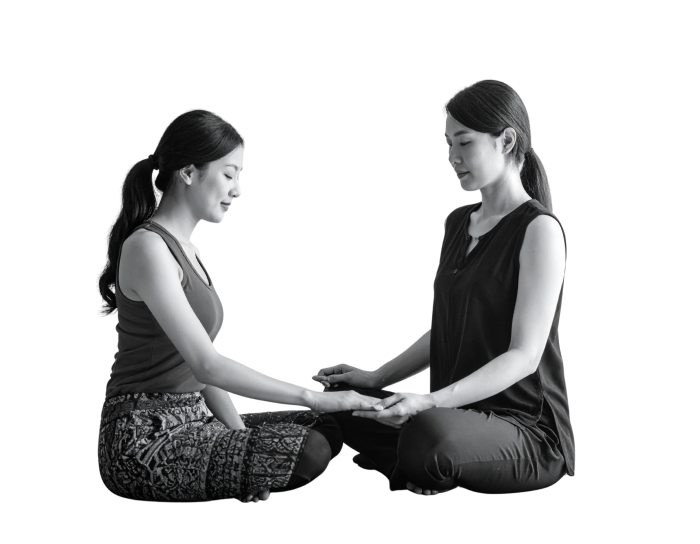
Meditation Coach
The Meditation Coach Training Program of the Academy of Medical Sciences, Vietnam (AMS Vietnam) is a structured, evidence-informed professional training course designed to develop competent meditation coaches who can apply mindfulness and meditation practices safely, ethically, and effectively within health, wellness, and supportive care settings.
The Meditation Coach Training Program of the Academy of Medical Sciences, Vietnam (AMS Vietnam) is a structured, evidence-informed professional training course designed to develop competent meditation coaches who can apply mindfulness and meditation practices safely, ethically, and effectively within health, wellness, and supportive care settings.
This program integrates contemporary neuroscience, psychology, and health sciences with validated meditation methodologies. It is specifically designed to move beyond informal practice and provide a scientifically grounded, professionally accountable pathway for individuals seeking to guide others in meditation for health promotion, stress regulation, and mental well-being.
Program Purpose and Rationale
Meditation has gained increasing recognition within modern medicine for its role in stress reduction, emotional regulation, cognitive resilience, and overall quality of life. However, the rapid popularization of meditation has also resulted in inconsistent standards, variable quality of instruction, and misuse in inappropriate clinical contexts.
The Meditation Coach Training Program at AMS Vietnam addresses this gap by establishing a clear, medically informed, and ethically governed training framework. The program prepares meditation coaches who understand both the benefits and limitations of meditation practices and who can apply them responsibly within non-clinical and supportive health contexts.
The program does not position meditation as a replacement for medical treatment. Instead, it emphasizes meditation as a complementary, evidence-based practice that supports mental and physical well-being when used appropriately.
Training Philosophy
The training philosophy of the Academy of Medical Sciences, Vietnam is grounded in the following principles:
- Evidence-based practice over belief-based instruction
- Safety, ethics, and scope-of-practice clarity
- Scientific literacy and critical thinking
- Structured methodology and measurable outcomes
- Professional responsibility and accountability
Meditation coaches trained by AMS Vietnam are expected to work within clearly defined professional boundaries, collaborate appropriately with healthcare professionals, and prioritize participant safety at all times.
Target Participants
The Meditation Coach Training Program is suitable for:
- Health and wellness professionals seeking structured meditation coaching skills
- Educators, counselors, and trainers working in stress management or well-being programs
- Researchers or practitioners interested in mindfulness-based interventions
- Individuals with prior meditation experience seeking professional certification
- Professionals supporting mental well-being in educational or organizational settings
No religious affiliation or spiritual background is required. The program is secular, inclusive, and science-oriented.
Curriculum Structure
The program curriculum is organized into progressive modules that combine theoretical foundations, practical application, and supervised coaching practice.
1. Scientific Foundations of Meditation
Participants are introduced to the scientific understanding of meditation, including:
- Neurophysiological mechanisms of meditation
- Stress response and autonomic nervous system regulation
- Cognitive and emotional processes influenced by meditation
- Evidence from clinical and population-based studies
This module ensures that participants can explain meditation using scientifically accurate language and understand current research findings.
2. Meditation Methods and Techniques
This module provides structured training in validated meditation approaches, such as:
- Attention-focused meditation
- Mindfulness-based practices
- Breath-based regulation techniques
- Body awareness and somatic attention methods
Instruction emphasizes correct technique, progressive skill development, and adaptation to different participant needs while maintaining methodological integrity.
3. Coaching Skills and Facilitation Techniques
Effective meditation coaching requires more than personal practice. This module develops professional facilitation skills, including:
- Session planning and structure
- Verbal guidance and instruction clarity
- Group and individual coaching dynamics
- Observation of participant responses and feedback
Participants learn how to guide sessions safely, manage common challenges, and maintain a supportive learning environment.
4. Ethics, Safety, and Professional Boundaries
This core module addresses ethical responsibility and risk management, including:
- Scope of practice for meditation coaches
- Identifying contraindications and referral indicators
- Managing emotional responses during meditation
- Informed consent and participant communication
The program emphasizes that meditation coaches are not mental health clinicians unless separately qualified and must operate within defined professional limits.
5. Application in Health and Wellness Contexts
Participants learn how meditation coaching can be applied appropriately in settings such as:
- Workplace stress management programs
- Educational institutions
- Community wellness initiatives
- Supportive care environments
The module includes case studies illustrating best practices and inappropriate use scenarios.
6. Practicum and Supervised Coaching
The program includes a supervised practicum component in which participants:
- Conduct guided meditation sessions
- Receive structured feedback from faculty
- Demonstrate competency in facilitation and communication
- Reflect on professional development and limitations
Assessment is competency-based rather than purely theoretical.
Teaching Faculty and Oversight
The Meditation Coach Training Program is delivered by a multidisciplinary faculty that may include:
- Medical and public health professionals
- Neuroscience and psychology specialists
- Experienced meditation educators
- Research-trained instructors
Academic oversight ensures that course content remains aligned with current scientific evidence, ethical standards, and institutional policies of AMS Vietnam.
Certification and Recognition
Participants who successfully complete the program receive a Certificate of Completion in Meditation Coaching issued by the Academy of Medical Sciences, Vietnam.
The certificate indicates that the holder has completed structured training in meditation coaching under a scientific and ethical framework. It does not confer a medical or clinical license.
Quality Assurance and Continuous Improvement
AMS Vietnam applies quality assurance mechanisms across all training programs, including:
- Curriculum review and updates
- Participant feedback evaluation
- Faculty performance monitoring
- Alignment with evolving scientific evidence
The Meditation Coach Training Program is periodically reviewed to ensure relevance, safety, and effectiveness.
Societal and Professional Impact
Graduates of the program are equipped to contribute responsibly to the growing demand for mental well-being and stress management support. By grounding meditation coaching in science and ethics, AMS Vietnam aims to raise professional standards and protect public trust.
The program contributes to broader health promotion efforts by supporting resilience, emotional balance, and self-regulation skills within communities and organizations.
Commitment of the Academy
Through this program, the Academy of Medical Sciences, Vietnam reaffirms its commitment to:
- Evidence-based training
- Ethical professional practice
- Public health promotion
- Capacity building in complementary health domains
The Meditation Coach Training Program reflects the Academy’s belief that non-pharmacological, scientifically validated practices have an important role in modern health systems when applied responsibly.